Understanding mutual concessions: the key to the give-and-take in negotiation
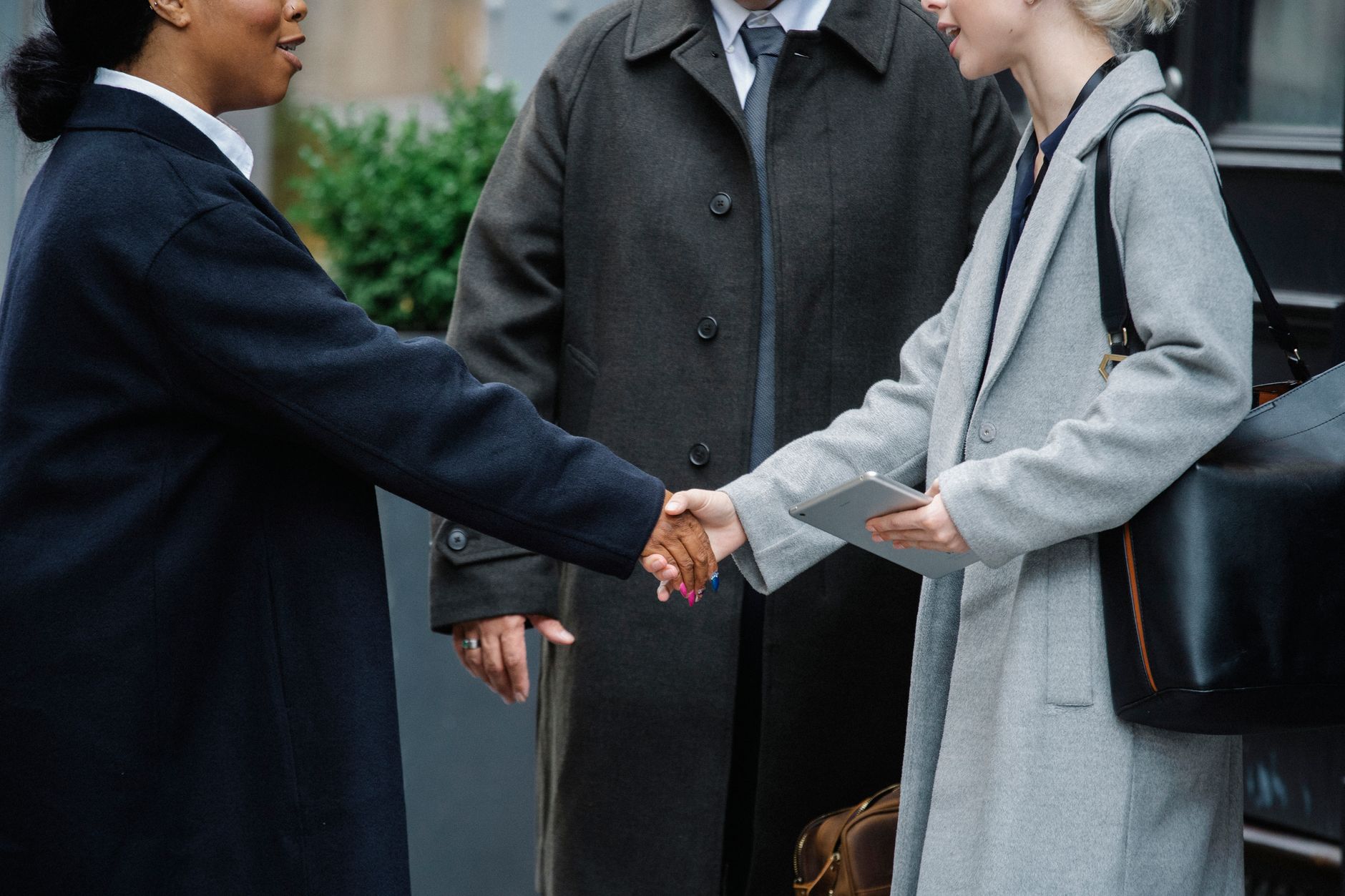
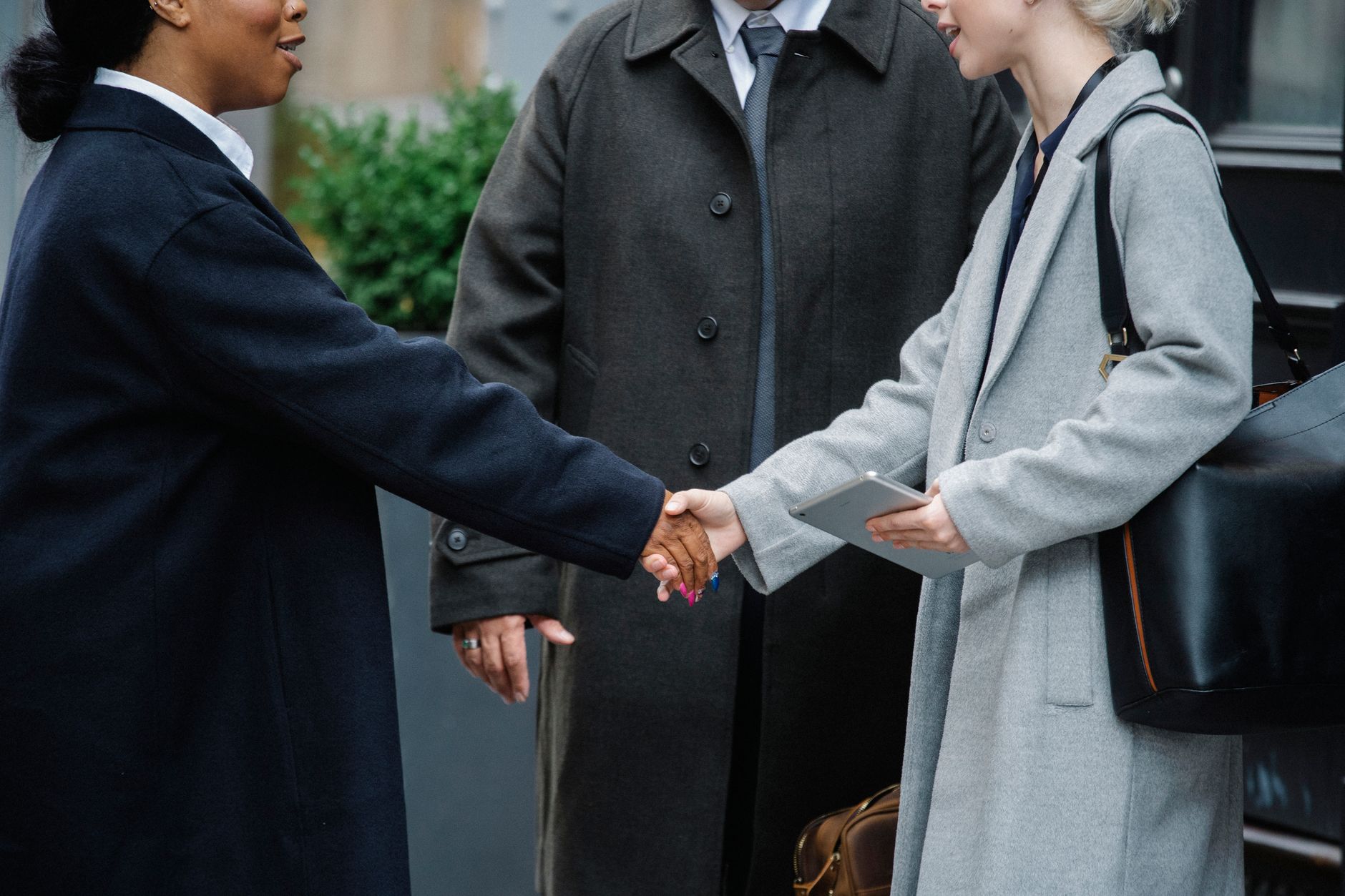
When we talk about mutual concessions, we refer to a fundamental principle in the art of negotiating. The idea? Each party must make efforts, some sacrifices, so that the agreement becomes a shared success. It’s a bit like a partnership where everyone gives a little to receive more in return. This principle, long considered a mere technique, is actually the very soul of give-and-take, the notion that every exchange must be balanced to last over time.
Imagine a salary or commercial negotiation: if you refuse to make the slightest compromise, your counterpart is likely to quickly become defensive, or even lose interest. Conversely, by agreeing to give ground on one point, you create a cooperative dynamic. The goal? To establish a relationship of trust, of partnership, which paves the way for structured and effective mutual concessions. Moreover, in the context of 2026, with an ultra-competitive job market, mastering this art has become essential not to be left behind.
The fundamentals of compromise in negotiation
For every negotiation to become a success, you must know the difference between mutual concessions and compromise. The first consists of each party making a gesture, often symbolic, to move toward a common objective. The second, compromise, often involves reducing one’s demands to reach an agreement acceptable to everyone. You see where I’m going with this? The central notion is a fair exchange, based on trust and transparency. The more you internalize this logic, the more effectively you will negotiate.
To illustrate, take a concrete example: during a negotiation for a raise, if you refuse any proposal below your target, you risk blocking the situation. On the other hand, if you accept a slight reduction in exchange for a promise of a short-term review, you create a win-win pact. This collaborative stance is often more rewarding than a categorical refusal, which closes the door to any future cooperation. In 2026, this philosophy has become obvious to those who want to come out victorious from a difficult exchange.
The unexpected benefits of mutual concessions in conflict management
Often, we think that making concessions is losing a battle. Yet, it’s often the opposite. The truth is that in any professional or commercial relationship, mutual concessions serve to defuse tensions and establish lasting collaboration. When two partners accept to make gestures toward each other, it creates an atmosphere of cooperation, mutual respect, and even respect for the common interest.
This process, when well mastered, transforms a potential conflict into an opportunity to strengthen the relationship. It’s as if each concession becomes one more brick in the edifice of trust. For example, in a negotiation with a supplier or a client, accepting an extra deadline or a slight price adjustment may seem minor, but it can make all the difference. The challenge is to see these gestures as investments in the long-term relationship rather than as immediate losses.
Strategies for making effective concessions
An effective concession is not made blindly. You must first listen carefully to the other party, understand their priorities and needs. After that, it’s often enough to slightly adjust your demands or propose a concrete compromise. A golden rule: never give up what is fundamental to you, while being flexible on what can make the difference. The key is to prepare in advance what you are willing to concede and how far you can go.
A powerful technique consists of asking questions to make your interlocutor think: « What would be ideal for you in this negotiation? » or « What could you consider as a compromise? ». It opens a dialogue toward controlled mutual concessions. Finally, don’t forget that a balanced exchange creates a pact of trust, which can lead to other collaborations or even long-term partnerships.
- Listen carefully to their needs
- Identify what is non-negotiable
- Propose concrete gestures
- Ask questions to make the other think
- Never give up on your fundamentals
The ethical principles behind mutual concessions in negotiation
We often forget that in any negotiation, there is an ethical dimension. The logic of give-and-take is also a matter of respect and integrity. The principle? Do not use the technique of concessions as a lever for manipulation, but as a real means to co-construct an agreement. It is a form of partnership in which each party feels respected and heard.
Above all, it is about showing humanity. In 2026, an ethical negotiation, based on transparency and authenticity, is more likely to result in a lasting agreement. It is also what distinguishes a simple transaction from a true partnership. These fundamental values are essential to prevent the relationship from deteriorating or turning into a latent conflict.
Implementing a culture of mutual concessions within the company
It’s not just an individual technique. In a modern company, encouraging a culture of compromise and mutual concessions can transform the work dynamic. It promotes collaboration, limits misunderstandings, and creates an atmosphere of trust. For example, during meetings or team projects, instilling this philosophy allows everyone to speak up and make gestures to move the collective forward.
To do this, you must train employees, create structured exchange processes, and value the spirit of cooperation. In this context, open communication becomes the rule, and each concession becomes a step toward a common goal. It also fosters innovation, because the exchange of good ideas and calm compromises stimulates creativity.
| Sector | Recommended practice | Main benefit |
|---|---|---|
| HR | Encourage collective bargaining | Improved social cohesion |
| Sales | Propose flexible offers | Increased loyalty |
| Project management | Encourage inter-team collaboration | Improved efficiency |
Pitfalls to avoid when negotiating based on the give-and-take
Be careful, every technique has its pitfalls. With mutual concessions, the major risk is giving in too quickly or not enough. The temptation is great to want at all costs to obtain something in exchange, without measuring the long-term impact. This can lead to an imbalance that weakens the relationship and opens the door to future disputes.
Another common mistake: believing that by giving up on certain points, you have won it all. In reality, it can also give a bad image of you, like someone who lets themselves be walked over or who lacks confidence. The solution is to master the art of « middle ground »: make intelligent concessions that strengthen the agreement, not weaken it.
How to detect the right moment to make a concession
You need to learn to sense the right moment to give ground. Generally, this happens when you notice that your counterpart begins to become more flexible or when they offer you something in exchange for a small gesture. It’s also often during phases of silence or stepping back, where each person is still evaluating their options. The key? Stay attentive, read between the lines, and don’t give in to emotion.
The more attentive you are to these signals, the more you will be able to make strategic concessions that will move the negotiation toward a profitable agreement. Don’t forget: in this dynamic, everything revolves around seeking a win-win ratio, not a fight where one must absolutely win against the other.
Transparence : rédaction assistée par IA, informations vérifiées aux sources officielles, relu et validé par un humain. Notre charte éditoriale

Lucas Morel
Décrypte les ressorts de la négociation salariale et partage des méthodes concrètes pour obtenir une meilleure rémunération.
Transparence : rédaction assistée par IA, informations vérifiées aux sources officielles, relu et validé par un humain. Notre charte éditoriale.