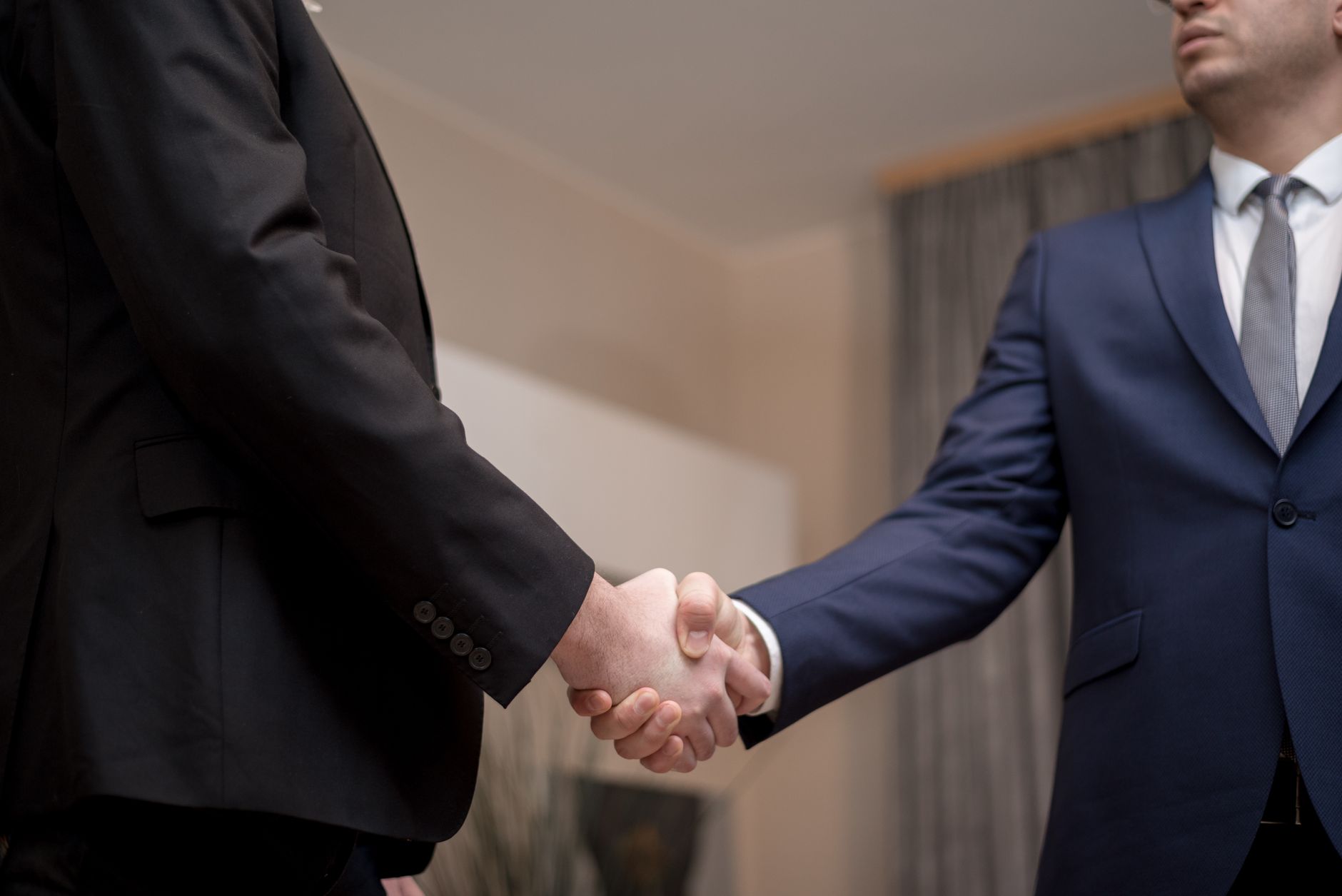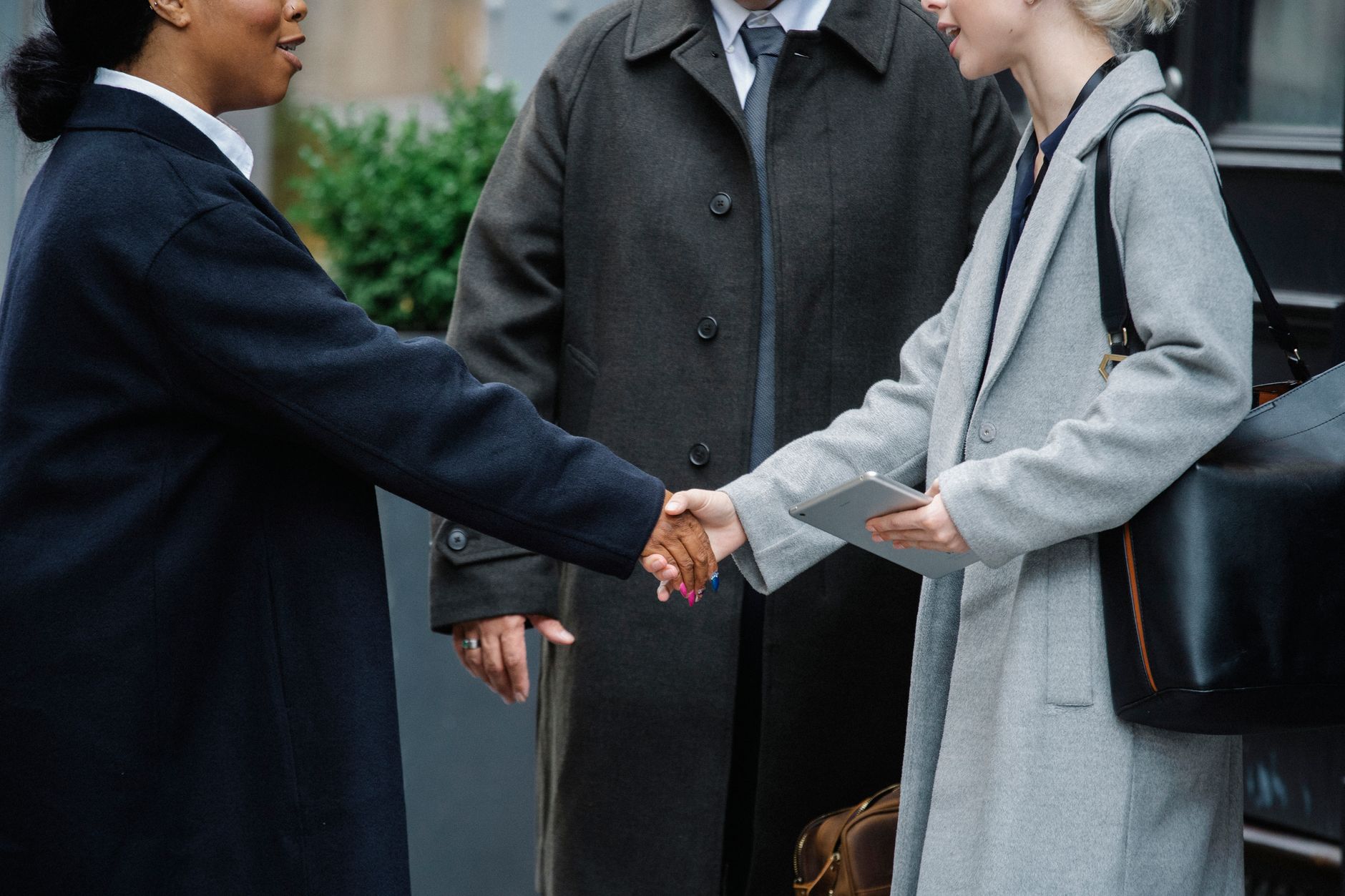
Understanding the fear of negotiating: obstacle or driver for your success?
Before even thinking about overcoming that notorious fear of negotiating, you first need to understand what it actually hides. Fear is not just an unpleasant feeling; it’s a complex reaction linked to your emotional brain. It can stem from past experiences, a lack of self-confidence, or even limiting beliefs that hold you back like an insurmountable wall.
For example, you may already have experienced that moment when a negotiation was imminent and a wave of anxiety washed over you. That tension is not trivial. It often reflects a deep-seated fear: the fear of losing control, of being seen as weak, or of making an irrevocable mistake. And that, between us, is anything but inevitable. The key is to turn that emotion into an ally for your success.
Moreover, in a professional context in 2026, the majority of negotiations fail because we underestimate their power. But how do you move from an instinctive reaction to a controlled strategy? The answer lies in a fine understanding of the emotional dynamics, and above all, in action. The good news? Fear can become a driver if you learn to listen to it and decode it. It then becomes a compass, guiding you toward stronger preparation and consolidated self-confidence.
The real causes of the fear of negotiating: understand to act better
It’s not just a passing anxiety; the fear of negotiating often has deep roots. It arises from negative experiences, limiting beliefs and, above all, a lack of emotional control. If you don’t know your enemy, you’re likely to let it paralyze you.
For many, the fear of losing face or being discredited is the main source of anxiety. Between us, this is not a weakness, but the expression of a need for recognition or security. A study conducted in 2024 shows that 67% of employees still struggle to negotiate their salary or their terms because they fear being seen as “too much” or “not enough”. The fear of failing can also come from past experiences where everything went wrong, or from a competitive professional environment where every word must be weighed.
It is vital to know that these fears, as irrational as they may seem, have a function: they highlight what is important to you. The difficulty is not to let these fears take over. On the contrary, you must learn to welcome them, to listen to them as an alert signal to better prepare yourself.
And in a constantly evolving world of work in 2026, where negotiation plays a key role, understanding these causes gives you a head start. It’s the first step to turning fear into a strength, into a tool of your strategy. After all, no skill develops without a bit of self-transcendence, and this step is essential to break mental barriers.
Step 1 to overcome fear: prepare like a real champion
Imagine you enter a negotiation with no preparation. It’s like jumping into cold water without checking first: you risk drowning. The key to mastering your fear of negotiating is preparation.
It starts with a clear analysis of what you want to obtain. Set your objectives, write down your strong arguments, and above all, learn about the person opposite you. In 2026, the majority of successful negotiators rely on a rigorous preparation phase. They know that to gain confidence you must know your strengths, your limits, and anticipate the other’s objections.
Good preparation helps you manage stress because it gives you a certain mastery of the situation. You can develop a plan B, prepare responses to objections, and visualize success. Positive visualization is a powerful technique: imagine the scene where you present your idea, where you receive a favorable answer, and above all, come out strengthened by that thought.
Also don’t neglect the importance of your nonverbal communication: your posture, your gaze, your tone of voice. All of this should reflect your self-assurance. Because in 2026, mastering every step of preparation has become essential to reduce fear and increase the chances of success.
An effective strategy is to use checklists or winning mindsets. By the way, you can discover how to adopt a winning mindset for a calm negotiation. It changes everything, trust me.
Concrete steps for preparation that pays off
| Key steps | Recommended actions | Expected results |
|---|---|---|
| Define your objectives | Clarify what you want to get from the negotiation, write down your ambitions | Mental clarity, control of your discourse |
| Study your counterpart | Research their stakes, preferences, and possible objections | Adapted responses, anticipations |
| Prepare your arguments | Reconcile your needs with those of the other, build a solid discourse | Autonomy, fluency |
| Visualize success | Imagine the scene, the success, the positive feeling | Reinforced confidence, positive attitude |
| Manage stress | Practice breathing, relaxation | Emotional balance, serenity |
The fundamentals of assertive communication to gain confidence
Once you are well prepared, every word you utter must carry your assurance. Assertive communication is the secret weapon for negotiating effectively. Just last week, I met an employee who was afraid to negotiate his salary. The key for him was learning to express his needs with assurance while remaining respectful. Because between us, it’s that ability to say what you want without attacking the other that makes all the difference.
In 2026, the majority of successful negotiators master this communication. With precise vocabulary, a firm tone, and above all, the ability to listen actively, you can get your message across without leaving room for doubt. Remember that every word must be chosen to strengthen your credibility and connect you to a genuine shared interest.
For example, instead of saying: “I want a raise, and I need it now”, you would rather say: “I would like to discuss a salary review that reflects my current responsibilities, because I am convinced it would be beneficial for our team.”
To go further, explore this communication strategy based on positive visualization, which helps to anchor self-confidence during difficult exchanges.
The tools to master your communication and avoid rushing ahead
- Practice paraphrasing to show your listening and reassure your counterpart
- Use open-ended questions to encourage discussion rather than monologue
- Keep a calm and composed tone, even in the face of unexpected answers
- Adopt the posture of a confident and open negotiator
- Take the time to breathe to channel your stress and keep your cool
Techniques to manage your stress and maintain emotional control
Stress is often the number one enemy of negotiation, especially when fear is present. But in 2026, the ability to manage this tension becomes an essential skill for any serious negotiator. The first step is deep breathing. When you feel anxiety rising, take a few seconds to inhale calmly, then exhale slowly.
Beyond that, regularly practice relaxation or mindfulness exercises. This will help you keep your calm in the face of adversity. On the big day, remember that your emotion must not take over your reasoning. Emotional control allows you to respond to each objection or reaction with lucidity and efficiency.
You can also use the positive visualization technique to strengthen your confidence. Imagine yourself in the situation, with all the control in the world, closing successfully. Which brings us to a crucial step: making the distinction between stress related to uncertainty and that linked to personal insecurity. The latter is often due to impostor syndrome, and it’s a real brake on negotiation. You must then work on this limiting belief to deprogram it.
Strategies to use emotional control and face fear
In negotiation, your strength lies in your ability to accept and exploit your emotions. Emotional control is the art of staying serene, even when the wind shifts. Between us, you cannot avoid fear, but you can learn to manage it and even use it to your advantage.
Here are some proven strategies set in stone :
- Take the time to breathe deeply whenever emotion rises
- Welcome fear as a signal, not as an insurmountable obstacle
- Transform your stress into positive energy through visualization or mental reframing
- Practice active listening to understand the origin of your own reactions
- Remember that your self-confidence is also built during difficult negotiations
In 2026, these techniques not only allow you to negotiate better, but also to become a true master of yourself. Because after all, emotional control is the key to turning a tense situation into a strategic victory. And above all, it’s by experimenting that you will truly be confident.
Transparence : rédaction assistée par IA, informations vérifiées aux sources officielles, relu et validé par un humain. Notre charte éditoriale

Lucas Morel
Décrypte les ressorts de la négociation salariale et partage des méthodes concrètes pour obtenir une meilleure rémunération.
Transparence : rédaction assistée par IA, informations vérifiées aux sources officielles, relu et validé par un humain. Notre charte éditoriale.