Understanding time pressure in negotiation: a subtle trap to thwart
Time pressure is that laser strike that hits when the clock is running and the deadline is fast approaching. Let’s be honest, it’s often what makes even the best negotiators falter. Imagine a situation where your counterpart throws a short deadline at you, as if to push you to accept an offer that doesn’t really suit you. Stress rises, your brain misfires and you can quickly lose the thread. Why? Because in those moments your brain clicks into “survival” mode, abandoning strategic thinking for an instinctive reaction. The real difficulty is not giving in to that impulse, keeping self-control and using that pressure to your advantage.
The key is first to understand how this pressure operates. It exploits your fear of missing an opportunity, your need to close quickly to reduce anxiety. It’s a tactic some employers or clients use consciously or not, to bring you into their game. Moreover, numerous studies show that beyond a certain threshold, this tension can make you lose all discernment. You find yourself making hasty decisions, forgetting to evaluate all the options. The worst part is that if you fall for it, you can quickly end up regretting your choice. Between us, the best way to avoid that is to view this pressure as an external factor, not as an emergency that should make you buckle.
Countering time pressure: the indispensable strategy
The first step is to realize that this pressure is not inevitable. You can counter it if you know how. The golden rule? Don’t give in to the temptation to react in urgency. Grant yourself a moment of reflection, even a brief one, to analyze the situation. For example, ask for time to think: “I’d rather take 10 minutes to think it over,” or, sum up: “I’ll get back to you in 30 minutes.” It’s a powerful method to cut short the immediate stress effect.
Next, you need to master stress management. Deep breathing, for example, is a simple but effective technique to calm the mind. Have you ever tried a 4-7-8 breathing exercise? Inhaling for 4 seconds, holding your breath for 7 seconds, then exhaling slowly for 8 seconds. Science shows that this practice significantly reduces anxiety and makes it possible to adopt assertive communication. In other words, you can stay calm and respond serenely, even under pressure.
Another tactic that’s often forgotten is mental preparation before any negotiation. You’re probably wondering how to do that? Identify in advance scenarios where time pressure might appear. Prepare key phrases to respond without being destabilized. For example: “I understand the deadline is tight, but I prefer to take the time to look at all aspects to avoid a mistake.” Concretely, this strategy gives you a kind of shield against apparent urgency.
Putting resistance to time pressure into practice: tools and tips
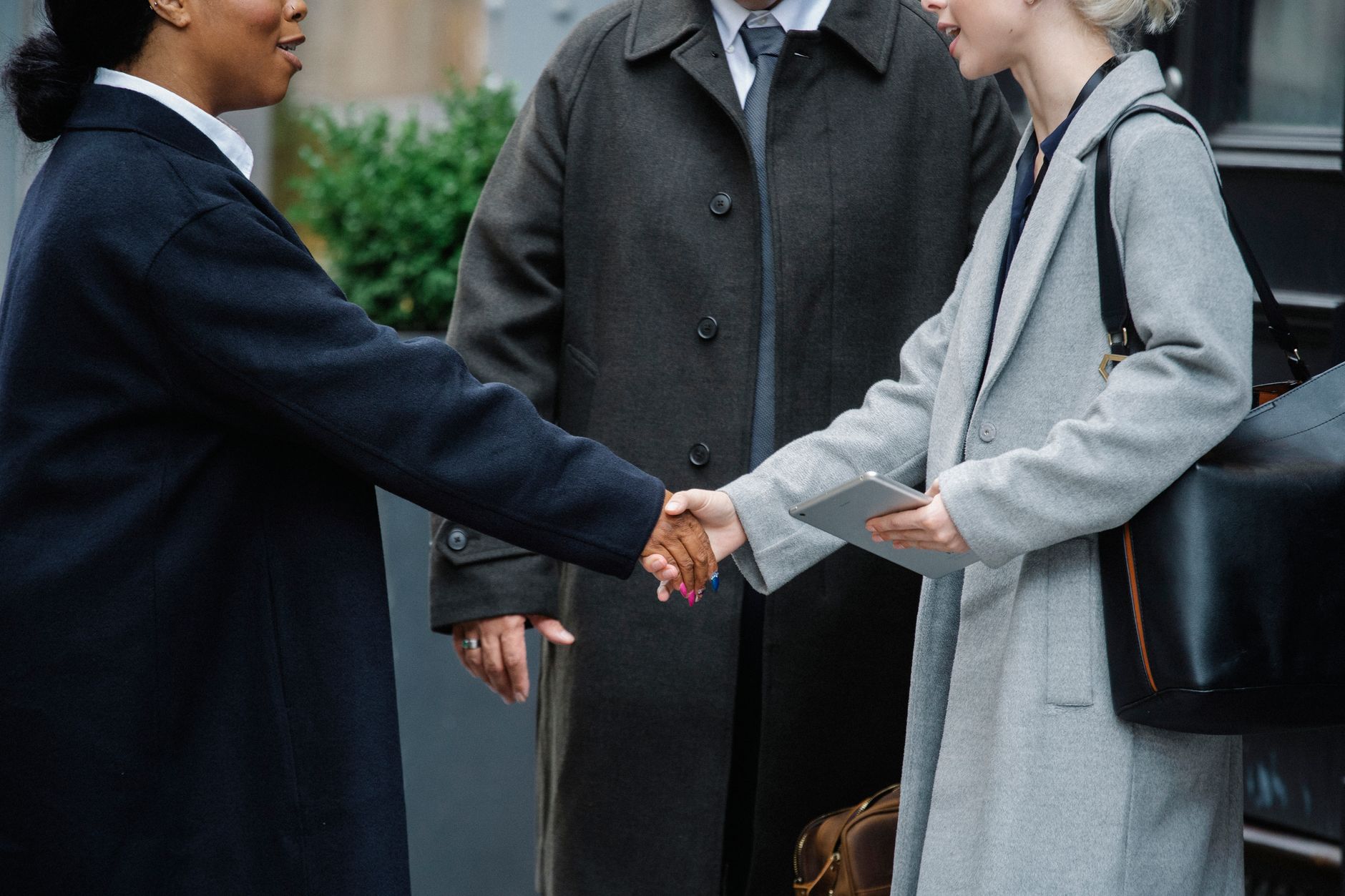
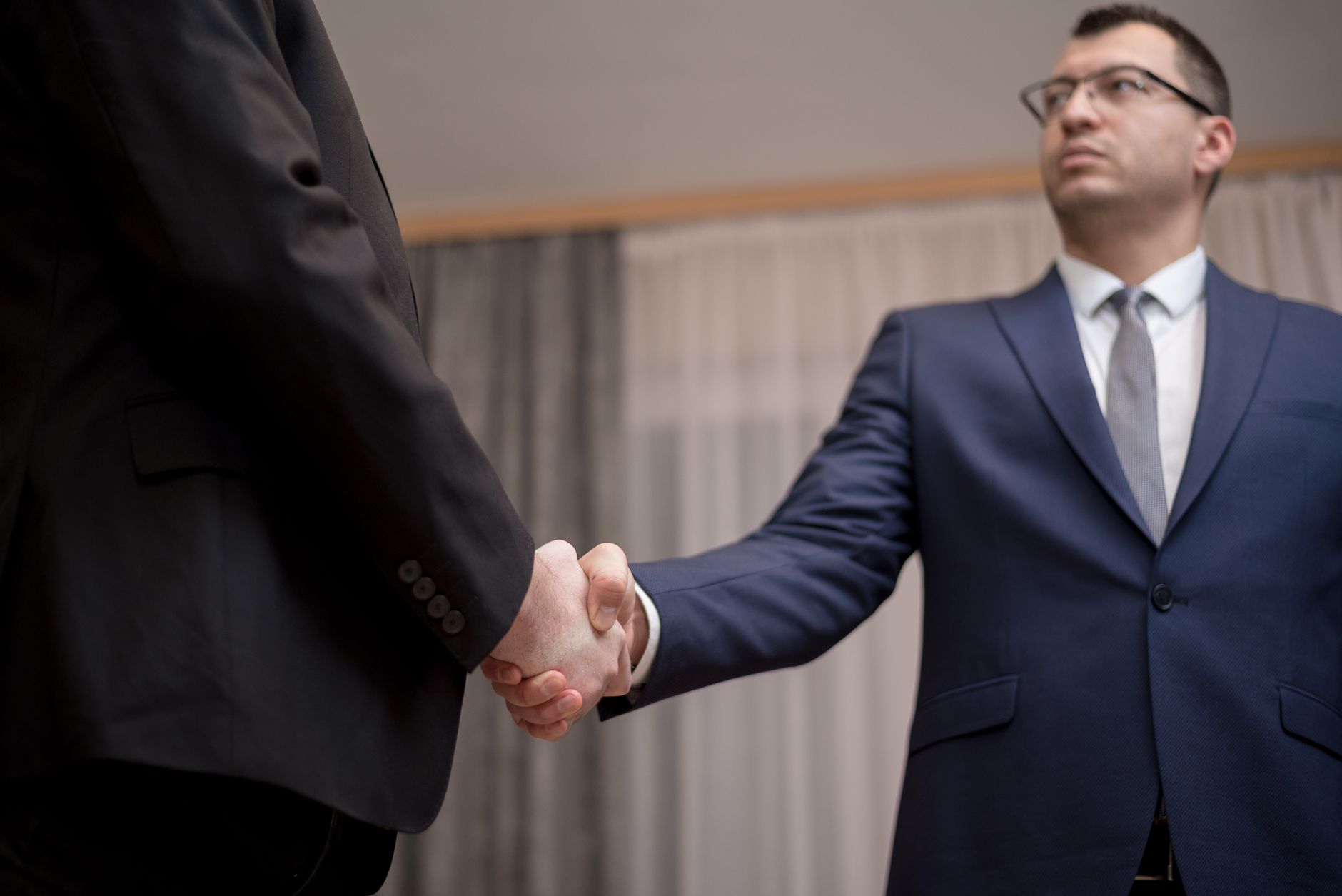
Now this is where resistance to time pressure becomes a real strategy. You can rely on concrete techniques to keep control, even when everyone around seems to want to rush the decision. The first is mastery of body language. By adopting an open posture, hands placed calmly, you send a clear signal: “I remain in control of the situation.” These kinds of small gestures help project an aura of confidence and resistance that can influence your counterpart to give you more time.
Furthermore, the structured questioning method is very effective. Instead of answering directly, ask questions that challenge the validity of the time pressure. For example: “What are the consequences if I take another 24 hours to think?” or “Can we negotiate a more flexible deadline?” There you make your counterpart reflect and you show that you won’t be pushed around easily. The key is to turn the pressure into a dialogue where you take the upper hand.
And you know what? Don’t hesitate to use stalling strategies, like reformulating: “If I understand correctly, what you want is a quick answer. But given what’s at stake, I prefer to make sure I make the right choice.” With this trick, you keep control, showing that you take the negotiation seriously and that you won’t be manipulated by urgency.
The pitfalls of abusive communication during a negotiation under pressure
What can really complicate resistance is manipulation through speech. Some counterparts will use biased assertive communication techniques: tonde, like “We have to decide now, otherwise it’s over.” This kind of message is designed to make you feel guilty or rushed, so you drop your composure. Let’s be honest, it’s a form of crushing pressure that can make you lose objectivity.
To counter that, you need to know the dominant communication techniques in negotiation, notably body language. According to a recent study, nonverbal language represents more than 80% of communication. If your counterpart adopts an aggressive tone or imposes an awkward silence, they are probably trying to make you falter. The solution: maintain a neutral posture, steady eye contact, and respond in a calm voice. That applies reverse pressure — credibility and control.
It’s also crucial to be able to identify manipulation techniques, like “door-in-the-face” or “foot-in-the-door,” and to respond with effective replies such as “yes, but” or by firmly reformulating. See where I’m going with this? Mastering these techniques is your best weapon to resist and make enlightened decisions even in urgency. To go deeper, you can also consult our article on the impact of tone of voice in negotiation.
Concrete examples of resilient negotiation in the face of pressure
To illustrate all this, let’s take the example of Sophie, a saleswoman who had to renew her contract within a very short timeframe. Her superior told her she had to accept the proposal on the spot, otherwise it was over. She could have given in, but she preferred to take a few minutes to think. During that time, she used the questioning technique to ask for details: “What exactly are the consequences if I refuse today?” Then she showed self-control by breathing deeply, which allowed her to answer calmly.
Another case: Lucas, a freelancer who was negotiating his rates with a very impatient client. The client wanted an immediate answer, to which Lucas replied that he needed time to provide the best proposal. He also reformulated: “If I understand correctly, your urgency is to get a proposal quickly, but for that I would need to be able to analyze the specifications precisely.” Result? The client agreed to give a bit more time, because he understood that Lucas had the situation under control.
List of tools to effectively resist time pressure
- Take a few seconds to breathe deeply and calm the mind.
- Ask for time to think, avoiding giving in to the impulse.
- Use questions to call the legitimacy of the pressure into question.
- Adjust your body posture to project confidence.
- Use reformulation to keep control of the dialogue.
- Mental preparation in advance to anticipate potential pressures.
Mistakes to avoid when time pressure becomes overwhelming
We also need to talk about what you absolutely must not do. The first fatal mistake? Reacting impulsively. That’s often where you can regret a bad choice, like accepting a suboptimal offer or making a premature commitment. Panic is your number one enemy. There’s no point in rushing, especially when your brain encourages you to accept everything just to finish quickly.
Another common mistake is trying to control everything alone, without asking for a little time or sharing how you feel. Don’t forget that asking for a delay or a pause is also a form of control. If you feel overwhelmed, don’t hesitate to say: “I’d rather think about it more calmly, I’ll get back to you in 15 minutes.” These are simple but winning strategies to avoid falling into the trap of haste.
And finally, you must also be careful not to play into the game of manipulation through fear or stress. Keep in mind that self-control is your best ally to avoid being destabilized. The key? Stay true to your strategy, your course of action and your final objective: negotiate with calm, even under pressure.
Transparence : rédaction assistée par IA, informations vérifiées aux sources officielles, relu et validé par un humain. Notre charte éditoriale

Lucas Morel
Décrypte les ressorts de la négociation salariale et partage des méthodes concrètes pour obtenir une meilleure rémunération.
Transparence : rédaction assistée par IA, informations vérifiées aux sources officielles, relu et validé par un humain. Notre charte éditoriale.