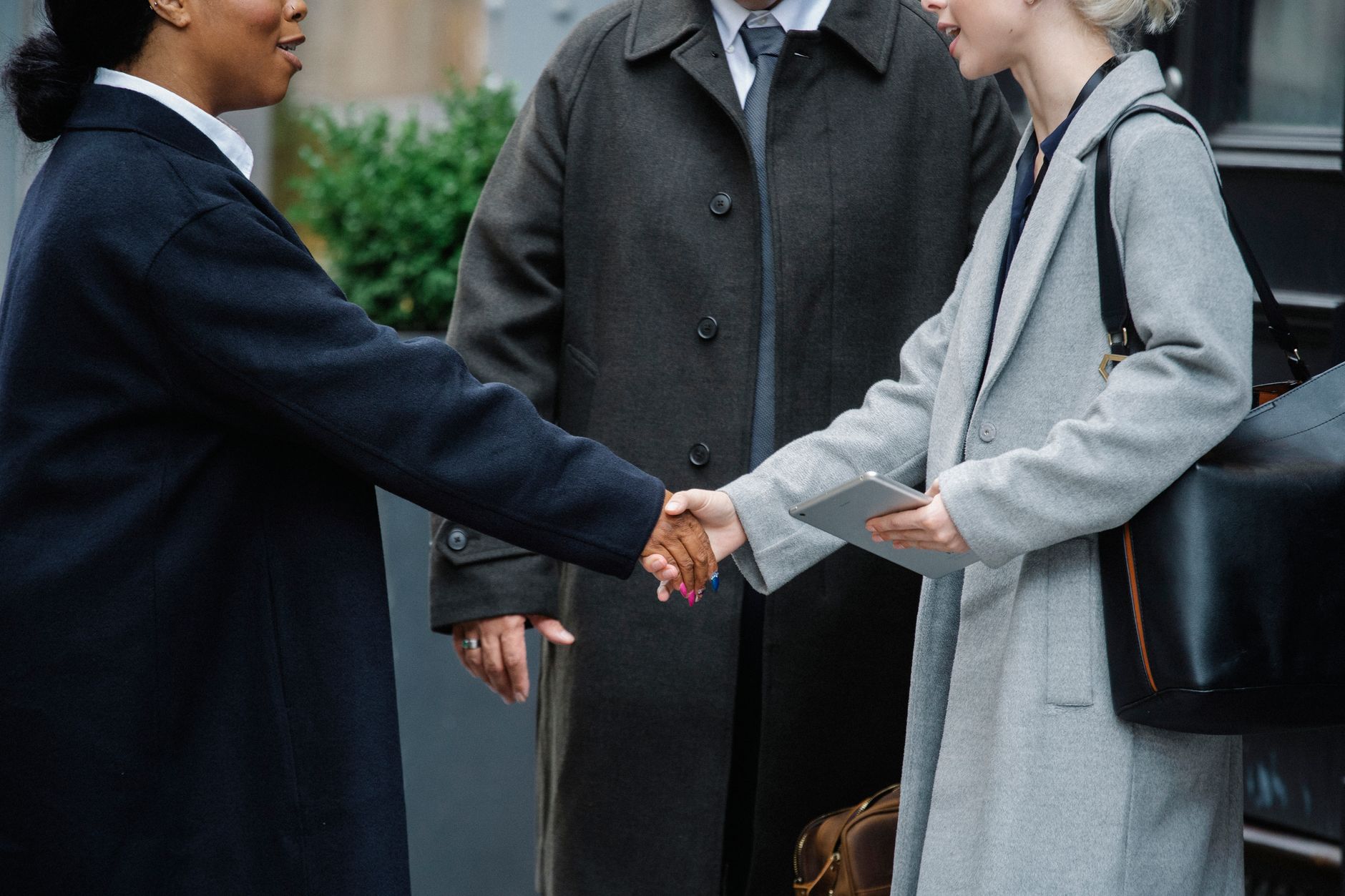
Master the art of strategic silence to maximize your negotiation
You know, strategic silence is not merely an absence of speech; it’s a formidable weapon that few negotiators dare to exploit. When we talk about negotiation, we instantly think about how we will argue, defend our interests, or apply pressure. But in reality, true power also lies in what we don’t say. Between us, this tactic can make all the difference between landing the deal of your dreams or… ending up giving in under pressure. Understanding how and when to use strategic silence is mastering an essential step to becoming a high-flying negotiator.
What you need to know about strategic silence in nonverbal communication
Silence should not be confused with emptiness. In reality, it is an integral part of nonverbal communication. During a negotiation, it serves to send subtle signals, often more powerful than words. For example, remaining silent after a proposal is a way to make your interlocutor doubt, to make them feel they need to convince you further, or to show that you fully control the situation. It’s a kind of silent language that, when well used, can generate psychological pressure, push the other person to open up, or make concessions without you having to speak.
But beware, this is not a tactic to apply at all times. The key lies in the ability to listen actively and spot the moments when silence should take full effect. You see, the psychology of negotiation also depends on mastering nonverbal communication. Between us, it’s like a dance where every move counts. Silence then becomes a strategic step in this subtle art, a tool to strengthen your credibility and authority. When you master this technique, your “yes” or “no” will carry much more impact.
Techniques to incorporate strategic silence into your negotiation
To put this secret weapon into practice, you must first know the key moments when silence can work in your favor. The first step is preparation. Before any negotiation, anticipate this phase by identifying sensitive areas, such as the limit of your offer or the decision deadline. Then, during the exchange, when your interlocutor makes a proposal or asks you to make a concession, pause briefly. Just long enough to raise the tension and the discomfort.
Another trick that works: silence after asking an open question. This creates an expectation, pushes your interlocutor to think. It can also give them the impression that you are sure of yourself, which plays in your favor by reinforcing your stance as the negotiator in control. Patience is therefore your best ally here. If you get stuck, keep your cool, don’t speak too quickly. And above all, avoid giving in to the urge to fill the void with unnecessary words. Self-control is essential.
| Steps for using strategic silence | Description |
|---|---|
| Prepare your key moment | Anticipate sensitive moments, model your interlocutor’s reaction. |
| Ask an open question | Silence after the question puts the other person under pressure to answer. |
| Observe nonverbal communication | Watch gestures, posture, and eye contact to detect when the effect intensifies. |
| Keep your calm | Respect the tension, do not give in to impatience, and maintain your confident posture. |
Mistakes to avoid with strategic silence
Ah, this is where it becomes crucial. If you don’t master this tactic perfectly, you risk doing the opposite of what you want. For example, remaining silent for too long can give the impression of doubt, or even disinterest. Result? You risk letting your interlocutor drift away or losing the thread of the negotiation. Between us, silence must be short, precise, and dosed with finesse. Otherwise, you risk creating a void that can backfire on you.
Likewise, if you use this tactic repeatedly or inappropriately, you can weaken your credibility or give the impression that you are uncertain. The key is moderation. And above all, don’t forget that silence is a tool to be handled intelligently. The next step? Knowing when to break it to deliver your message effectively.
The psychological stakes of silence in negotiation: a powerful lever
What makes strategic silence so effective is its ability to play on the psychology of negotiation. Human beings have a natural tendency to fill the void, to want to control what is not said. When you remain silent, you exploit this tendency to apply pressure. The other person often feels obliged to speak, to explain, or even to give in, in order to restore psychological balance.
Silence also stimulates active listening. You allow your interlocutor to express their needs, fears, and even their limits. All of this they may not necessarily say in words, but through gestures or nonverbal behavior. When they feel they must reveal themselves, they are more likely to make significant concessions or to disclose their true intentions. Between us, many agreements are decided in those silent moments, where each person waits on the other.
This process, however, requires total self-mastery. If you let emotion take over or if you give in to the temptation to speak to soothe things, you risk losing everything. The secret is to remain calm and confident. Sometimes silence is stronger than a long speech, because it forces the other person to reveal themselves.
Overplaying in negotiation, when should you stop?
The benefits of strategic silence in time management and decision-making
Managing your time effectively during a negotiation means knowing when to use silence. By avoiding speaking at every moment, you can take the time to think, observe the other person, or even wait for the tension to subside. It’s also a way to give yourself room to analyze reactions and adjust your strategy in real time.
Another virtue of strategic silence is the power it gives you in decision-making. By prolonging the silence, you force your interlocutor to make the first move. They may also fear losing control or losing face. In this sense, silence becomes a lever to strengthen your power. You thus show that you are willing to wait, to negotiate over time. Result? You often obtain concessions you would not have dared to ask for otherwise.
But again, timing is key. Know when to cut the silence so as not to let the situation stagnate or become an incomprehensible void. For that, you must know the subtle signals of negotiation and master the psychology of the ideal moment.
- Respect your pace
- Know when to break it
- Use silence to strengthen your argument
- Anticipate the next reaction
- Keep control of the situation
Self-control, again and always, remains the cornerstone of strategic silence.
Transparence : rédaction assistée par IA, informations vérifiées aux sources officielles, relu et validé par un humain. Notre charte éditoriale

Lucas Morel
Décrypte les ressorts de la négociation salariale et partage des méthodes concrètes pour obtenir une meilleure rémunération.
Transparence : rédaction assistée par IA, informations vérifiées aux sources officielles, relu et validé par un humain. Notre charte éditoriale.